dieta da proteina pode comer a vontade Cardápio completo da nova dieta da proteína: entenda cada uma das fases
The high-protein diet has been gaining popularity in recent years as a way to lose weight and improve overall health. With its focus on consuming foods rich in this essential macronutrient, it promises numerous benefits. In this article, we will explore the potential advantages and disadvantages of following a high-protein diet.
Why Choose a High-Protein Diet?
There are several reasons why people choose to adopt a high-protein diet. Firstly, protein is known to be more satiating than carbohydrates and fats, which can help reduce feelings of hunger and prevent overeating. This is particularly beneficial for individuals trying to lose weight or maintain a healthy weight.
Secondly, protein plays a crucial role in building and repairing tissues, including muscles, skin, and organs. Consuming an adequate amount of protein can support muscle growth and maintenance, making it beneficial for athletes and individuals looking to improve their physical fitness.
Additionally, a high-protein diet can help boost metabolism. The body requires more energy to digest and metabolize protein compared to carbohydrates and fats. This process, known as the thermic effect of food, can lead to increased calorie burning throughout the day.
What Can You Eat on a High-Protein Diet?
When following a high-protein diet, it’s important to choose quality protein sources. These include lean meats, poultry, fish, dairy products, eggs, legumes, and soy products. Plant-based protein options like quinoa, chia seeds, and tofu are also excellent choices for vegetarians and vegans.
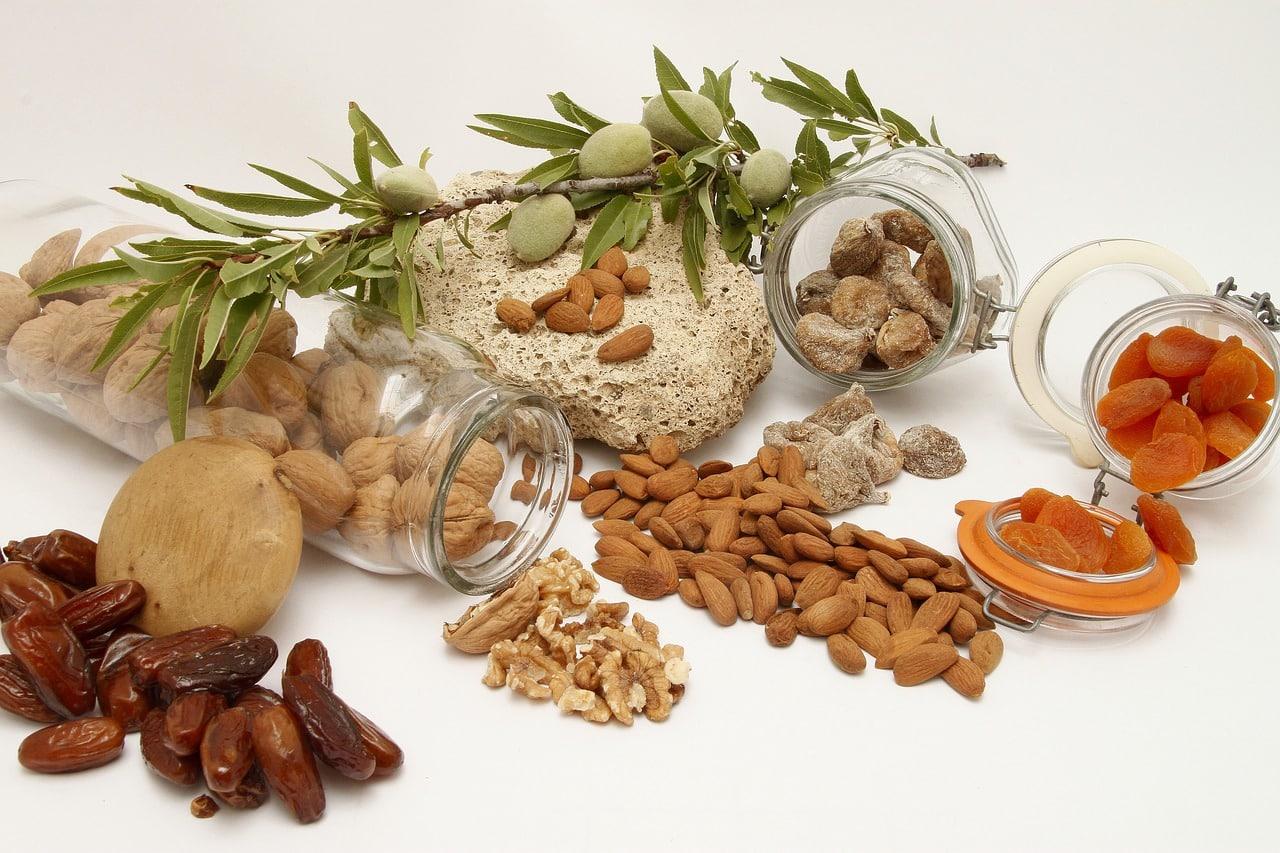
Opting for whole, unprocessed foods is recommended as they provide not only protein but also other essential nutrients. This includes fruits, vegetables, whole grains, and healthy fats like avocados and nuts.
Potential Side Effects
While a high-protein diet has many benefits, it’s essential to be aware of potential side effects. Excessive protein intake can put strain on the kidneys, especially in individuals with pre-existing kidney conditions. It’s crucial to maintain adequate hydration and consult a healthcare professional if you have any concerns.
Another potential side effect is nutrient deficiencies. By focusing heavily on protein-rich foods, there is a risk of neglecting other essential nutrients. It’s important to ensure a well-rounded diet that includes a variety of food groups to meet the body’s nutritional needs.
Incorporating a High-Protein Diet into Your Lifestyle
If you’re considering incorporating a high-protein diet into your lifestyle, it’s advisable to do so gradually. Rapidly increasing protein intake can lead to digestive issues such as bloating and discomfort. It’s also a good idea to consult a registered dietitian or nutritionist to ensure that you’re meeting your nutritional requirements.
Furthermore, combining a high-protein diet with regular exercise can maximize its benefits. Strength training exercises, in particular, can help build and tone muscles, taking full advantage of the increased protein intake.
 The Bottom Line
A high-protein diet can be an effective way to support weight loss, muscle growth, and overall health. However, it’s important to approach it with caution and ensure that you’re consuming a well-balanced diet. By incorporating a variety of protein sources and maintaining a healthy lifestyle, you can reap the benefits of this dietary approach.
Remember, always consult your healthcare provider before making any significant changes to your diet, especially if you have any underlying medical conditions or concerns.
 Final Thoughts
The high-protein diet offers numerous advantages for those looking to lose weight, build muscles, or improve their overall health. However, it’s essential to approach it responsibly and ensure that it aligns with your individual needs and goals.
Remember, a healthy diet is a balanced one that includes a combination of proteins, carbohydrates, and fats, along with a variety of fruits and vegetables. This approach will help provide the necessary nutrients for optimal health and well-being.
If you’re considering a high-protein diet, consult with a healthcare professional or registered dietitian to create a personalized plan that suits your needs and lifestyle. With the right guidance, you can ensure that you’re making informed choices to achieve your health and fitness goals.
If you are searching about Dieta da proteína: por que fazer, como aderir e o que comer | Dieta da you’ve came to the right place. We have 5 Pictures about Dieta da proteína: por que fazer, como aderir e o que comer | Dieta da like Cardápio completo da nova dieta da proteína: entenda cada uma das fases, Dieta da proteína: por que fazer, como aderir e o que comer | Dieta da and also Cardápio completo da nova dieta da proteína: entenda cada uma das fases. Here it is:
Dieta Da Proteína: Por Que Fazer, Como Aderir E O Que Comer | Dieta Da
www.pinterest.comDieta Da Proteína - Blog Da Pajaris | Biquínis, Moda, Viagens E Vida Solar
blog.pajaris.com.brDietaproteina Info2 | Dieta Da Proteina, Educação Alimentar E
 br.pinterest.comCardápio Completo Da Nova Dieta Da Proteína: Entenda Cada Uma Das Fases
 br.pinterest.comNova Dieta Da Proteína Seca 7 Kg Em 14 Dias: Veja Regras E O Que Comer
 www.pinterest.comDieta da proteína. Dietaproteina info2. Dieta da proteína: por que fazer, como aderir e o que comer