what is the dietary reference intake for carbohydrates Foods with good sources of carbohydrates
Here’s some valuable information on reference intakes that everyone should be aware of. Understanding reference intakes is crucial for maintaining a healthy diet and meeting your nutritional needs. So, let’s dive right in!
Reference Intakes Explained
Reference intakes, also known as dietary reference intakes (DRIs), are guidelines established by nutrition experts to help individuals understand the amount of nutrients they need to consume daily. These guidelines take into consideration various factors such as age, sex, and activity level to provide personalized recommendations.
The reference intakes are further divided into different categories of nutrients such as macronutrients (carbohydrates, proteins, and fats), vitamins, minerals, and fiber. Each category has specific recommendations to ensure that you are meeting your nutritional needs adequately.
The Importance of Reference Intakes
Understanding reference intakes is important because it helps you make informed decisions about your diet. By knowing the recommended amount of nutrients your body requires, you can plan your meals accordingly and ensure that you are not overconsuming or underconsuming any essential nutrients.
Meeting reference intakes is essential for maintaining optimal health. When your body receives the right amount of nutrients, it functions at its best, and you are less likely to experience deficiencies or health issues associated with poor nutrition.
How to Use Reference Intakes
To use reference intakes effectively, you can start by familiarizing yourself with the recommended daily intakes of different nutrients. This information is usually provided on food packaging or can be found online.
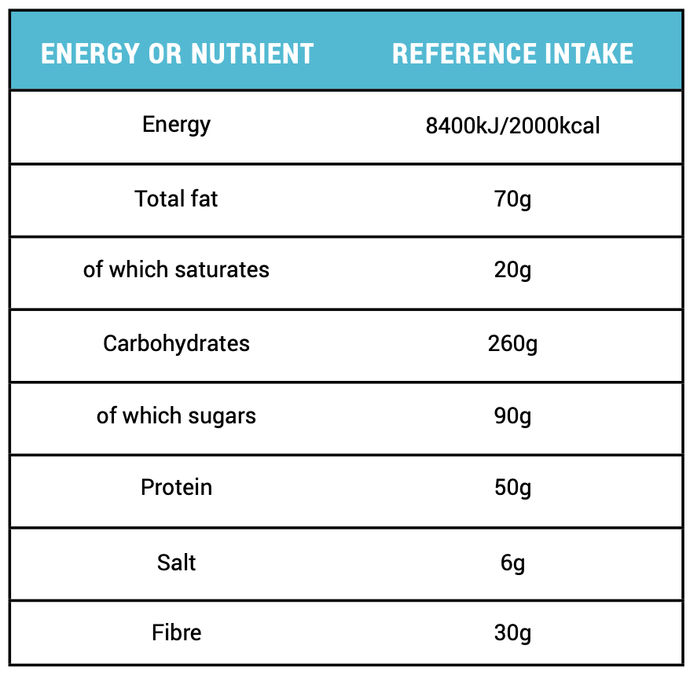 For example, you might notice labels indicating the recommended daily intake of calories, carbohydrates, protein, fat, vitamins, and minerals per serving. By comparing these values to your personal reference intakes, you can make informed decisions about your food choices.
Understanding the Image
The accompanying image highlights the different nutrient categories and their reference intakes. It provides a clear visual representation of the daily recommended amounts of each nutrient, making it easier to understand and apply these guidelines in your daily life.
While the image serves as a useful reference, it’s important to note that individual nutritional needs may vary. Consulting a healthcare professional or a registered dietitian can provide personalized guidance based on your specific requirements and health goals.
Make Informed Choices for a Healthier You
By understanding reference intakes and incorporating them into your daily routine, you can make more informed choices about your diet. Paying attention to these guidelines ensures that you’re providing your body with the nutrients it needs to thrive.
Remember, a healthy diet is not just about the quantity of food you consume but also about the quality of nutrients you provide to your body. So, take some time to familiarize yourself with reference intakes and start making healthier choices today!
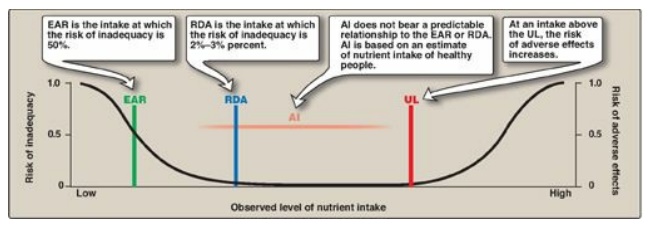 This second image further emphasizes the importance of understanding reference intakes. It sheds light on the more scientific aspects of reference intakes and how they relate to the field of biochemistry. While it may be more technical, it highlights the depth and complexity of the subject matter, further emphasizing its significance in overall health and wellbeing.
In conclusion, reference intakes serve as a valuable tool for maintaining a healthy and balanced diet. By understanding these guidelines, you can make informed choices about your food intake and ensure that you are meeting your nutritional needs adequately. Remember, everyone’s nutritional requirements may vary, so it is always beneficial to consult with professionals for personalized advice. Start incorporating reference intakes into your lifestyle and enjoy the benefits of a healthier you!
If you are searching about Carbohydrates • Bodybuilding Wizard you’ve visit to the right page. We have 5 Pics about Carbohydrates • Bodybuilding Wizard like Understanding reference intakes | Nutrition | Jamie Oliver, Foods with good sources of Carbohydrates - Barrios Personal Trainer and also Understanding reference intakes | Nutrition | Jamie Oliver. Here you go:
Carbohydrates • Bodybuilding Wizard
 bodybuilding-wizard.comcarbohydrates bodybuilding wizard
What Is Carbohydrates? - Foods, Healthy Carbs For Weight Loss
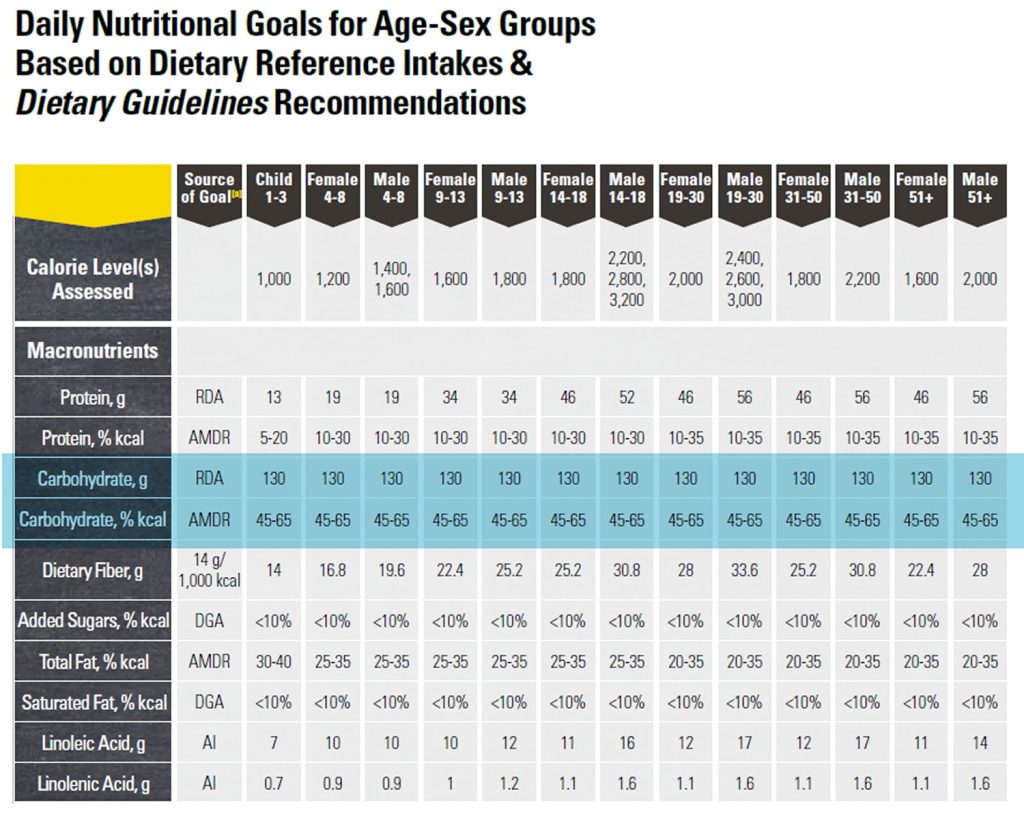 healthjade.comcarbohydrate carbohydrates intake reference dietary healthjade
Dietary Reference Intakes - Biochemistry
www.pharmacy180.comdietary intakes ear rda tolerable adequate
Understanding Reference Intakes | Nutrition | Jamie Oliver
www.jamieoliver.comintakes jamieoliver
Foods With Good Sources Of Carbohydrates - Barrios Personal Trainer
 barriosfit.comcarbohydrates carbs consume moderation
Dietary intakes ear rda tolerable adequate. Carbohydrates carbs consume moderation. Understanding reference intakes